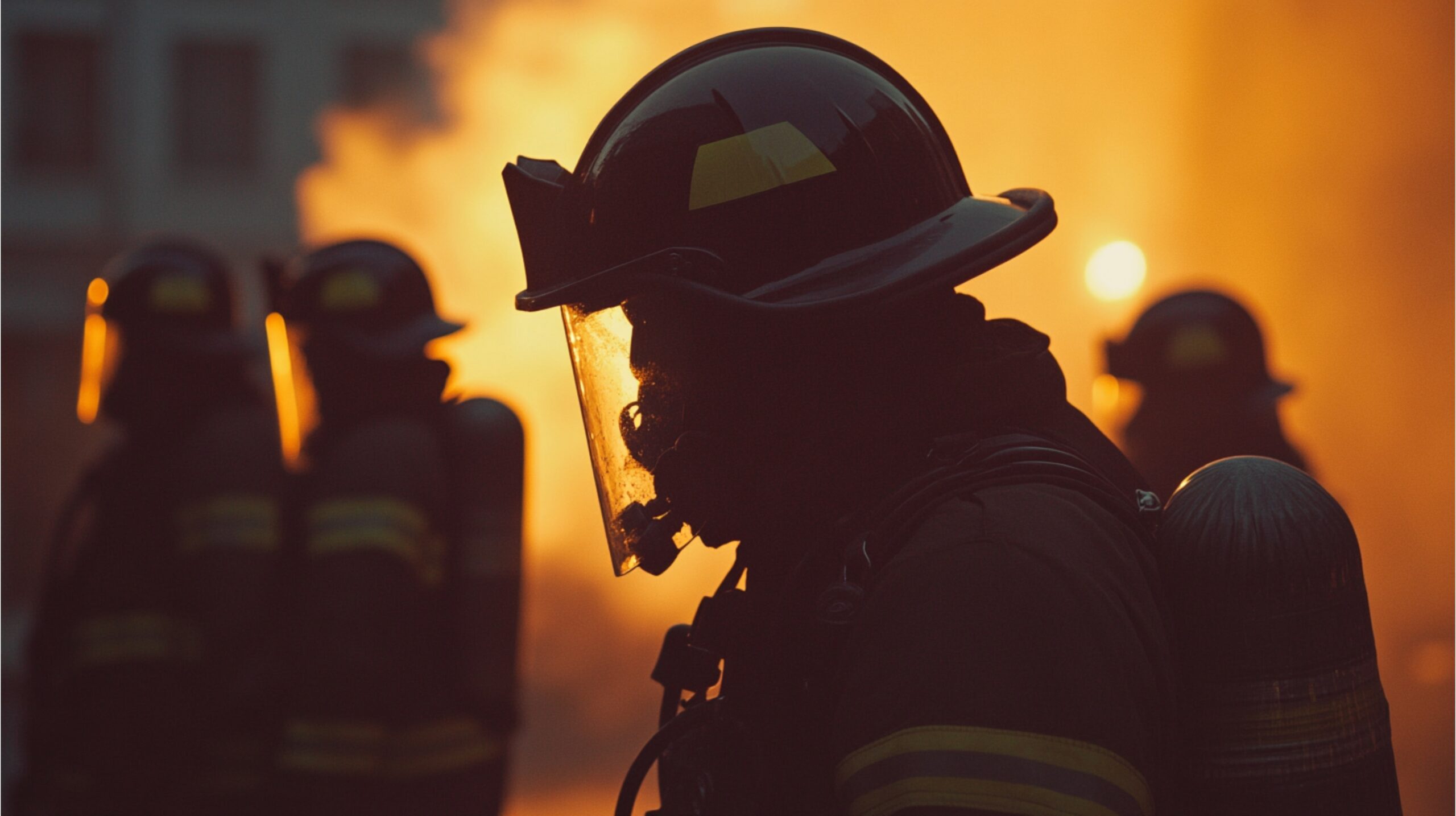




Available compensation for firefighters injured on duty
Under North Carolina law, protections are provided when firefighters experience injuries or are killed while on the job. Such workers, along with their surviving loved ones, have a right to receive workers’ compensation benefits.
In the event a firefighter isn’t able to work due to an occupational injury or illness, they are eligible to receive the following benefits:
- Income replacement. Injured firefighters can receive a percentage of their average weekly income that they received up to the date of injury.
- Disability benefits. In situations in which the firefighter is permanently disabled and unable to return to work, they may also be eligible for permanent disability benefits.
- Medical expenses. Firefighters are also entitled to receive payment for medical treatments.
How firefighters can file a workers’ comp claim in North Carolina
To file a workers’ compensation claim in North Carolina, you should take the following steps:
- Seek medical help for your injury as soon as possible. This is important for ensuring that your injury is properly diagnosed and treated. It will also provide documentation of the injury, which can be used as evidence in your workers’ compensation claim.
- Inform your employer of the injury within 30 days. This is a requirement under North Carolina law. You can inform your employer verbally or in writing, but it is recommended that you do so in writing to ensure a record of your notification.
- File a claim. To officially file a claim, you must fill out Form 18 and file it with the North Carolina Industrial Commission within 2 years of the date of the injury. This form can be found on the Commission’s website and must be filled out by you and your employer.
- Contact an attorney. It’s always recommended that you consult with an attorney specializing in workers’ compensation before filing a claim to ensure your rights are protected.
Common accidents, injuries, and occupational illnesses for firefighters
Due to the physical requirements of first responders, these workers have a higher-than-average injury and death rate from accidents at work. In fact, according to a study by the National Fire Protection Association (NFPA ), an estimated 60,750 firefighter injuries occurred in the line of duty in 2021 alone.
The most obvious risk is from the fire itself, which can be exacerbated by smoke inhalation, burns, or even structural collapse.
Other dangers include:
- Explosions
- Electrocution
- Falls from heights
- Falling debris
- Toxic chemicals and substances
- Slip-and-fall accidents
Because firefighters must react quickly to emergencies, they’re also at an increased risk of vehicle accidents while driving, especially when performing rescue missions during a natural disaster.
According to the NFPA, the leading cause of injuries among firefighters in 2021 was overexertion, accounting for 25 percent of all injuries. These types of injuries often affect muscles in the back and neck.
Other common injuries include:
- Burns
- Spinal cord injuries
- Head or brain injuries
- Loss of limbs
- Respiratory injuries
- Lead poisoning and lung diseases such as asbestosis, cancer, and COPD
- Broken bones
- Crush injuries
- Cuts and lacerations
- Hearing loss
Burn Injuries, Smoke Inhalation, and Long-Term Respiratory Claims for North Carolina Firefighters
Firefighters in North Carolina face regular exposure to intense heat, open flame, superheated gases, and toxic smoke. These exposures produce both acute injuries and cumulative damage that can end a career or create permanent impairment. Burn injuries and respiratory conditions are compensable under North Carolina workers’ compensation law, but claims involving delayed or progressive lung damage frequently require strong medical evidence and careful advocacy to succeed.
How Burn Injuries Affect North Carolina Firefighters
Thermal burns remain a common risk during structure fires, vehicle fires, and overhaul operations. Steam, radiant heat, and contact with burning materials or hot surfaces can cause first-, second-, or third-degree burns. Airway burns often accompany significant smoke exposure and may not be immediately obvious.
Serious burns typically require emergency care, hospitalization, multiple surgeries (including skin grafts), infection management, physical therapy, and long-term treatment for scarring or contractures. North Carolina workers’ compensation covers all reasonably necessary medical treatment related to the burn, temporary disability benefits while you are unable to work, and permanent partial disability compensation based on the degree of impairment. Severe burns that cause substantial scarring or disfigurement can also support an additional disfigurement award. Second- or third-degree burns affecting a large percentage of the body may support a claim for permanent total disability.
Even after the skin heals, many firefighters face permanent work restrictions involving heat exposure, lifting, or prolonged outdoor duty. These restrictions can prevent a return to full firefighting duties.
Smoke Inhalation and Acute Respiratory Injury
Smoke inhalation is one of the most common and potentially serious injuries firefighters face. Even when you are wearing SCBA, exposures can occur during overhaul, when equipment is compromised, or during multiple incidents in a short period. The smoke from modern structure fires contains a complex mixture of toxins, including carbon monoxide, hydrogen cyanide, fine particulate matter, benzene, formaldehyde, and other irritants and chemicals. These substances can injure the airways and lungs even when there are no visible burns to the skin.
Symptoms do not always appear right away. Some firefighters feel relatively normal at the scene and then develop worsening breathing problems over the next 24 to 72 hours. Common early symptoms include coughing, wheezing, shortness of breath, hoarseness, chest tightness, headache, or a feeling that you cannot get a full breath. In more severe cases, smoke inhalation can lead to chemical pneumonitis, pulmonary edema (fluid in the lungs), or significant drops in blood oxygen levels. Carbon monoxide and cyanide poisoning are medical emergencies that require specialized treatment and can leave lasting effects if not addressed promptly.
Because the injury can progress after you leave the scene, early medical evaluation is important. Emergency physicians can assess oxygen levels, check for carbon monoxide, and determine whether further testing is needed. When respiratory symptoms persist or are significant, a pulmonologist is often the appropriate specialist. Pulmonary function tests (PFTs), arterial blood gas results, chest imaging, and clear notes about the incident create a strong medical record. This documentation becomes especially valuable if you later develop chronic breathing problems and need to show that the original exposure contributed to a longer-term condition.
Many firefighters try to “push through” mild symptoms so they can return to duty quickly. While that is understandable, untreated or poorly documented smoke inhalation can make it harder to connect later respiratory problems to the job. Prompt evaluation and a clear medical record help protect both your health and your ability to obtain workers’ compensation benefits if the injury turns out to be more serious than it first appeared.
Long-Term Respiratory Conditions Linked to Firefighting
Repeated or intense smoke exposure increases the risk of lasting lung problems.
Conditions that can support North Carolina workers’ compensation claims include:
- Reactive airways dysfunction syndrome (RADS) or irritant-induced asthma that develops after a specific high-exposure event
- Occupational asthma or significant worsening of pre-existing asthma
- Chronic bronchitis
- Chronic obstructive pulmonary disease (COPD)
- Progressive decline in lung function that exceeds normal age-related loss
- Other obstructive or restrictive lung diseases confirmed by a pulmonary specialist
These conditions often develop gradually. Symptoms such as persistent cough, reduced exercise tolerance, frequent respiratory infections, or the need for inhalers may not become disabling until years after the heaviest exposures.
Carriers frequently argue that smoking history, age, or non-work factors caused the condition. Strong opinions from pulmonologists who review your firefighting exposure history, prior pulmonary function tests, and medical records are usually necessary to establish that firefighting was a significant contributing cause.
Protecting Your Claim
If you are dealing with a burn injury, smoke inhalation, or a long-term respiratory condition related to your service, a free consultation can clarify your options and the steps needed to protect your rights.
Expanding PTSD coverage for firefighters
Firefighters may have significant medical expenses in the event of an injury or if they develop a disease due to their work. In such cases, they may be unable to return to work temporarily or at all. Family members may also be left behind to face significant emotional and financial burdens in the case of a fatal injury.
Due to the potential for such challenges, these workers have continued to fight for expanded coverage beyond what most injured workers can receive from workers’ compensation. Recently, H.B. 492 was passed in the N.C. House of Representatives. If this bill is made law, it would make it possible for firefighters to obtain benefits when they experience psychological trauma as part of their jobs.
Although it had been previously established that employees in North Carolina may seek benefits for physical injuries and mental illness, this bill would list PTSD as an occupational disease for which workers can be compensated when employed by local and state governments. In order to qualify for benefits, the worker would need to be examined by a healthcare provider and be diagnosed with PTSD.
Furthermore, it would need to be established that the worker’s PTSD was the result of employment activities. Should this bill go into law, it would remove legal hurdles that first responders previously faced when demonstrating that they were at a greater risk than the general public of developing PTSD as a result of their occupational activities.
Issues with filing workers’ comp claim for PTSD
Firefighters filing claims for mental health conditions like PTSD may face several challenges.
One of the major challenges is proving that the worker’s job duties were the primary cause of their diagnosis. This can be difficult as PTSD is a mental disorder that takes time to diagnose, and symptoms may not appear until months after the traumatic event.
Furthermore, because PTSD symptoms aren’t usually visible to others, it’s not always easy to diagnose. The lack of physical evidence, such as broken bones or bruises, can also make it harder for workers to prove that their condition is preventing them from being able to perform their job duties.
How North Carolina cancer presumption laws impact firefighters
Along with PTSD, firefighters may also be at increased exposure to carcinogens and toxins. This has made the risk of developing cancer a growing concern amongst firefighters, in particular, in recent years.
In fact, research has shown that firefighters have a greater risk of developing certain types of cancer, including mesothelioma. Consequently, presumption laws have now been passed in many states to provide greater protection for firefighters diagnosed with cancer.
North Carolina lawmakers have been working since 2007 to obtain such presumptive cancer coverage. Although none of these laws have been passed to date, if passed, these laws would assist firefighters in obtaining such benefits as workers’ compensation and larger disability pensions. These laws would also make it easier for loved ones to obtain death benefits. Among these bills is House Bill 520, which passed in the House in 2019 but later stalled in the North Carolina Senate.
Under this bill, 9 cancers were listed as occupational diseases, including:
- Intestinal cancer
- Esophageal cancer
- Brain cancer
- Mesothelioma
- Non-Hodgkin’s lymphoma
- Multiple myeloma
- Rectal cancer
- Oral cavity cancer
- Testicular cancer
Unfortunately, until these bills actually do become law, these workers are often left trying to pay for the cost of the medical treatment out of pocket.
Common Cancers Linked to Firefighting
Firefighters accept significant risks every time they respond to a call. One of the most serious long-term risks is an elevated chance of developing certain cancers. Decades of research, including the most authoritative international scientific evaluation available, confirm that occupational exposure as a firefighter is linked to specific cancer types. Understanding these connections can help firefighters who receive a diagnosis better understand their situation and the support and benefits that may be available to them.
In 2022, the International Agency for Research on Cancer (IARC), part of the World Health Organization, classified occupational exposure as a firefighter as carcinogenic to humans (Group 1). This classification reflects consistent findings from large studies of firefighters across multiple countries. IARC concluded there is sufficient evidence that firefighting causes mesothelioma and bladder cancer. Positive associations have also been observed with colon cancer, prostate cancer, testicular cancer, melanoma of the skin, and non-Hodgkin lymphoma, though the evidence for these is more limited.
These elevated risks stem from the complex mix of hazardous substances firefighters encounter on the job. Structure fires, vehicle fires, wildland fires, and even routine station activities can involve exposure to polycyclic aromatic hydrocarbons (PAHs), benzene, formaldehyde, asbestos (particularly in older buildings), diesel exhaust, and per- and polyfluoroalkyl substances (PFAS) found in some firefighting foams and protective gear. Firefighters absorb these substances through inhalation, skin contact, and contaminated turnout gear. Because many cancers have long latency periods, a diagnosis may not appear until years or even decades after active service ends.
Cancers with the Strongest Evidence of a Link
- Mesothelioma: This rare cancer of the lining of the lungs, abdomen, or other organs has the clearest connection to firefighting. Exposure to asbestos fibers released during fires in older structures is a primary driver. IARC found sufficient evidence that occupational exposure as a firefighter causes mesothelioma.
- Bladder cancer: Multiple studies show a consistent, elevated risk among firefighters compared with the general population. Exposures to certain combustion byproducts and other chemicals encountered on the fireground are believed to contribute. IARC determined there is sufficient evidence linking firefighting to bladder cancer.
Cancers with Positive Associations
Research has also found elevated risks for several other cancers, although the evidence is considered limited (meaning positive associations exist, but other factors cannot be fully ruled out in every study):
- Colon cancer
- Prostate cancer
- Testicular cancer
- Melanoma of the skin
- Non-Hodgkin lymphoma
These findings come from large cohort studies and meta-analyses reviewed by IARC. Individual risk can vary based on years of service, types of calls, protective equipment used, and other personal factors. Not every cancer diagnosis in a firefighter is caused by the job, but the overall scientific evidence supports higher rates of these specific cancers in the fire service.
What a Diagnosis May Mean for Benefits and Support
A cancer diagnosis connected to firefighting service is both a medical challenge and a potential occupational illness. In North Carolina and South Carolina, specialized programs exist because lawmakers recognized these risks. North Carolina’s Firefighters’ Cancer Insurance Program provides a lump-sum benefit and ongoing disability support for eligible active and certain retired firefighters diagnosed with cancer. South Carolina’s Firefighter Cancer Health Care Benefit Plan offers a one-time benefit, reimbursement for out-of-pocket medical costs, and a death benefit for qualifying firefighters.
Workers’ compensation may also be available in individual cases when the evidence supports a work-related connection. Navigating eligibility, medical documentation, latency periods, and claim requirements can be complicated. Denials or delays are not uncommon, even when the science and service history support the claim.
At Wilder Pantazis Law Group, we have worked extensively with firefighters and first responders facing occupational illnesses, including cancer. Our attorneys contributed to legislation that strengthened protections and benefits for firefighters diagnosed with cancer linked to their service. We understand the medical and scientific evidence, the specific programs available in the Carolinas, and the practical challenges of building a strong claim.
If you or a loved one has been diagnosed with cancer and believe it may be related to years of service as a firefighter, we encourage you to reach out for a free, confidential consultation. We can review your situation, explain the benefits and rights that may apply under North Carolina or South Carolina law, and help you pursue the medical coverage, income support, and other resources you need while you focus on treatment and recovery. You do not have to navigate this process alone.
Contact Us